How pay transparency helps close the gap
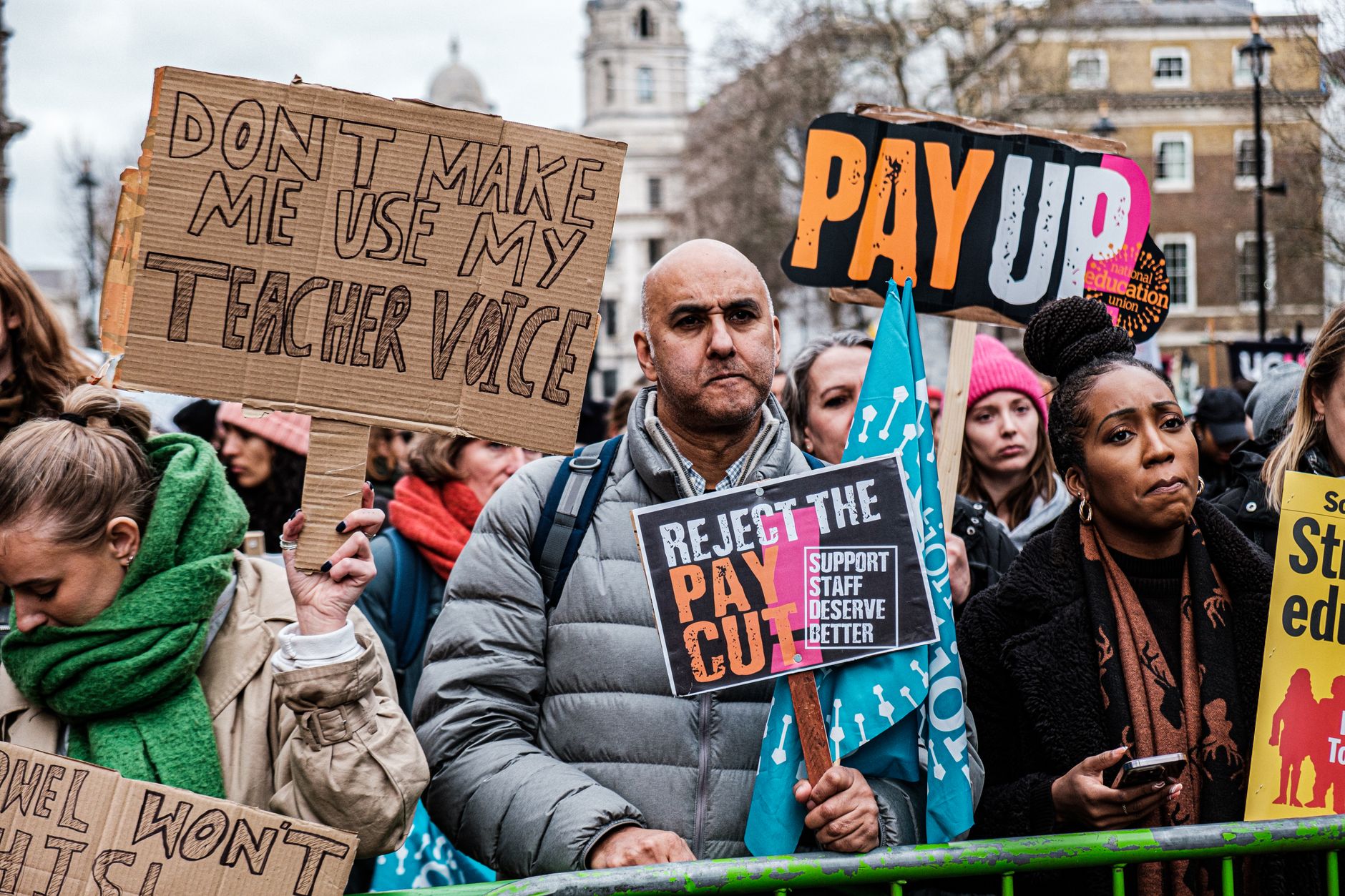
The gender pay gap has proved stubborn. The UK has required large employers to publish their figures since 2017, and progress has been real but slow. One lever keeps coming up in the evidence as a way to speed things up, and it costs very little: pay transparency. When people can see what roles pay and how pay decisions are made, the quiet mechanisms that let the gap grow start to lose their grip.
This article looks at how pay transparency in the UK actually helps close the gap, what the research shows, and what both employers and individual women can do without waiting for the law to change. It is a companion to our wider explainer on what pay transparency in the UK means and what is changing.
Where the gap actually comes from
To see why transparency helps, it helps to be precise about the problem. The gender pay gap is the difference in average pay between men and women across a workforce. Across the whole UK economy it sits at around 7% for full-time employees and roughly 13% across all employees, according to the Office for National Statistics. It is not the same as unequal pay, which means paying men and women differently for the same job and has been unlawful since the Equality Act 2010.
Most of the gap comes from two things: who holds the senior, better-paid roles, and what happens at the moments pay is set, hiring, promotion, and the annual review. Those moments usually happen behind closed doors, which is exactly where transparency does its work. Our guide to how the gender pay gap is calculated walks through the mechanics with worked examples.
How pay transparency narrows the gap
Pay transparency attacks the problem at the point pay is decided. Three effects show up repeatedly.
First, salary ranges in job adverts remove the penalty on negotiation. When a range is published, nobody starts behind simply because they asked for less, and women are less likely to be anchored low. Research into pay transparency consistently links published ranges to narrower starting-pay differences.
Second, visible pay structures make unequal decisions harder to justify. If a manager has to explain a pay decision against a known band and a known set of criteria, bias has fewer places to hide. Transparency does not require anyone to be a villain to help; it simply removes the ambiguity that lets small, unexamined decisions compound.
Third, transparency shifts who carries the burden. Under current rules women often have to discover a problem, gather evidence, and raise it themselves, frequently at personal cost. Open pay information moves that burden off the individual and onto the system, which is where it belongs. For the individual side of this, our guide on how to negotiate a salary and close your own pay gap is a practical starting point.
What is changing in and around the UK
The UK still does not require employers to publish salary ranges in adverts, but the direction of travel is clear. The EU Pay Transparency Directive, adopted in 2023, requires member states to bring in rules that include pay ranges in recruitment, a ban on asking candidates their pay history, and the right for employees to request pay information broken down by sex. Member states must apply these rules from June 2026.
That matters in the UK even after Brexit, because any UK employer with operations in the EU will have to comply there, and many will choose to apply one consistent policy across the business rather than run two systems. We cover the detail in our explainer on what the EU pay transparency directive means for UK employers. The practical effect is that pay transparency is arriving in the UK through the back door, whether or not domestic law moves first.
What employers can do now
None of this needs new legislation to start. Employers who want to close their own gap can publish salary ranges in job adverts, stop asking candidates for their current salary, document the criteria behind pay and promotion decisions, and run regular pay audits to catch drift before it widens. ACAS offers free, practical guidance on fair pay practices, and the gov.uk gender pay gap service lets any employer benchmark itself against its sector.
The business case is not only fairness. Transparent pay tends to improve trust and retention, and it makes hiring faster because candidates self-select against a clear range. For employers building a hiring process from the ground up, our practical guide to inclusive recruitment folds pay transparency into a wider fair-hiring approach.
Frequently asked questions
Does pay transparency actually reduce the gender pay gap?
The evidence points that way. Published salary ranges are linked to narrower starting-pay differences, and visible pay structures make biased decisions harder to justify. Transparency is not a complete fix on its own, but it is one of the most cost-effective levers available.
Is pay transparency required by law in the UK?
Not yet in the way it is arriving elsewhere. The UK requires large employers to report their gender pay gap, but does not require salary ranges in adverts or a ban on salary-history questions. The EU Pay Transparency Directive introduces those rules from June 2026, which will affect UK employers operating in the EU.
Can I ask my employer what colleagues are paid?
You can discuss pay with colleagues, and the Equality Act 2010 protects conversations about pay where the purpose is to check for discrimination. Your employer is not currently required to disclose individual pay, but the culture around pay secrecy is shifting as transparency rules spread.
What can women do while the law catches up?
Research the salary range before applying, avoid disclosing your current pay, and negotiate from market data rather than your past salary. Knowing how pay decisions are made at a prospective employer is also a strong signal of how fairly it treats women.
Hiring women? Get RecruitHer early access, stronger signals and less inbox noise.
This is educational information, not legal advice. Pay and discrimination rules can depend on your contract and circumstances, and the law continues to change. For impartial guidance, contact ACAS or see the official guidance at gov.uk.
Last reviewed: September 2026